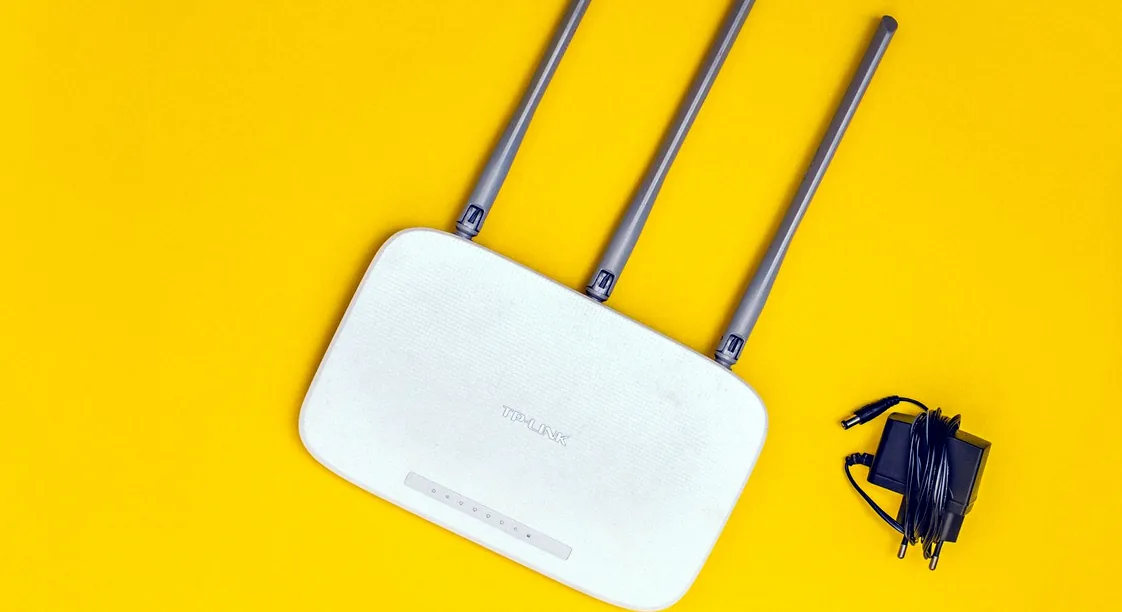
Wi-Fi is the network most users actually judge you on, and it is the one most often deployed by guesswork — access points spaced evenly on a drawing and hoped for the best. In a lecture hall, an open-plan office or a school, that approach produces dead spots, dropped calls and slow connections exactly where density is highest. A site survey replaces the guessing with measurement and design, and it is the single biggest factor in whether a wireless network feels fast or frustrating.
Predictive and on-site surveys
There are two complementary kinds of survey. A predictive survey is done in software before installation: the floor plans, wall materials and access-point models are modelled to predict coverage and place APs. It is fast, cheap and ideal for design and new-build. An on-site survey uses real measurement in the actual space — either an active/passive walk-through with survey tools, or an AP-on-a-stick test that measures live signal in the real building. Predictive gets the design close; on-site confirms it against reality, catching the walls, glass and metal that a model never fully captures.
Coverage is not the same as capacity
The most common design mistake is planning for coverage when the real problem is capacity. Coverage asks 'can a device hear an access point here?' Capacity asks 'can this room serve two hundred devices at once?' A single AP might blanket a large hall with signal yet collapse when a class of students all connect. High-density spaces — auditoriums, classrooms, prayer halls, conference areas — need more access points at lower power, carefully channelled, so each one serves fewer clients. Designing for the busy-hour device count, not just the floor area, is what separates a survey from a sketch.
Interference and validation
Wireless shares the air with neighbours, other APs and non-Wi-Fi noise, so a good survey also plans channel allocation and power levels to minimise co-channel interference — APs stepping on each other is a leading cause of poor performance. Just as important is the step many projects skip: a post-installation validation survey. Once the APs are mounted and live, you walk the space again and measure the real signal, throughput and roaming against the design targets. That validation is what turns 'we installed the access points' into 'we can prove the coverage and capacity are there.'
Datacore designs wireless networks from a proper survey and validates them after installation, so coverage and capacity are documented rather than assumed — the same design-to-standard, prove-it discipline we bring to structured cabling, on projects such as One World International School (OWIS) Riyadh. If your Wi-Fi is being planned or is not living up to its promise, our team can survey, design and validate it.
Frequently asked
What is the difference between a predictive and an on-site Wi-Fi survey?
A predictive survey models coverage in software from floor plans and materials before installation, which is fast and ideal for design. An on-site survey measures real signal in the actual building, confirming the design against walls, glass and metal a model cannot fully predict.
What is the difference between coverage and capacity?
Coverage is whether a device can hear an access point in a given spot. Capacity is whether the network can serve all the devices in a busy space at once. High-density areas need designing for the device count, not just the floor area.
Why is a post-installation validation survey important?
Once access points are live, a validation survey walks the space and measures real signal, throughput and roaming against the design targets. It proves the coverage and capacity are actually there rather than assuming the install matched the plan.