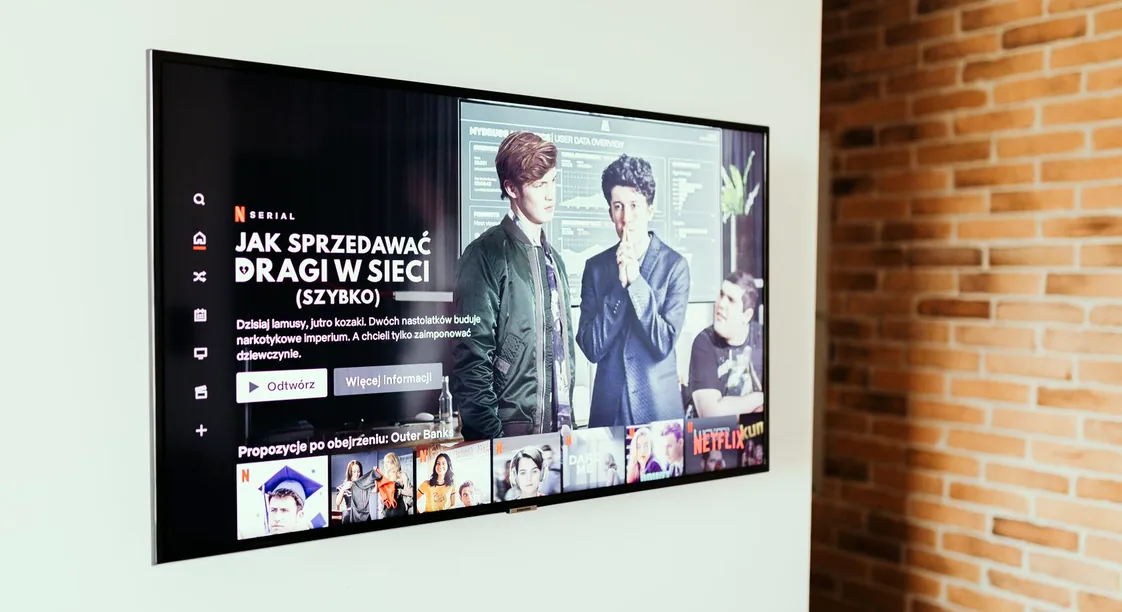
Screens are cheap, so they are everywhere — and most of them are ignored. A display looping a slideshow no one watches is a cost, not a communication channel. Digital signage earns its place when the right message reaches the right screen at the right moment, and when someone can prove it changed behaviour. That takes more thought about content and management than about the hardware, though the hardware still has to be chosen well.
Displays or LED — choosing the canvas
The first decision is the surface. Commercial LCD displays suit most indoor applications — menu boards, lobby screens, meeting-room signage, wayfinding kiosks — offering sharp detail at normal viewing distance and long-life panels rated for continuous operation. Direct-view LED comes into its own for large formats, video walls and bright environments where an LCD would wash out or where a seamless canvas of any size and shape is needed. Pixel pitch is matched to viewing distance, brightness to ambient light, and both to the content: a close-up menu board and a lobby video wall are different engineering problems, not just different sizes.
The management system is the real product
Hardware shows the picture; the content management system decides what, where and when. A capable CMS schedules content by time, day or trigger, targets individual screens or zones, and updates hundreds of endpoints from one place over the network. It drives wayfinding that can be updated as a building changes, dayparts menus so breakfast becomes lunch automatically, and — integrated with other systems — turns every screen into an emergency notification channel in seconds. Networked control also means health monitoring: knowing a screen has gone dark before a visitor does. This is where signage stops being wallpaper and becomes infrastructure.
Measuring whether it works
A screen that earns its keep can show it. Impact is measured by tying content to outcomes — sales lift on a promoted item, shorter queues at a wayfinding point, higher attendance at an announced event, faster evacuation during a drill. Proof-of-play logs confirm what actually played and when, which matters for internal reporting and for any advertising commitments. Start from the outcome you want, design the content and placement to drive it, then read the numbers and adjust. Interactive screens add another signal entirely, letting people select destinations, browse a directory or request help, and logging exactly what they engaged with.
Datacore designs digital signage from display choice to CMS and networked control, so your screens deliver the right message and you can measure the result — contact our AV team to plan a deployment that pays for itself.
Frequently asked
Should we use LCD displays or LED for digital signage?
LCD displays suit most indoor screens — menu boards, wayfinding, lobby and room signage — at normal viewing distances. Direct-view LED is for large formats, video walls and bright spaces. The choice follows viewing distance, ambient light and content.
What does a content management system actually do?
It schedules and targets content by screen, zone, time or trigger, updates every endpoint from one place over the network, monitors screen health, and logs what played — turning a set of displays into a managed communication network.
How do we measure whether digital signage is working?
Tie content to outcomes — sales of promoted items, wayfinding queue times, event attendance — and use proof-of-play logs to confirm what ran. Define the goal first, then read the numbers and refine.